Augmented reality (AR) is rapidly transforming the way we interact with the world. TCL is leading the charge with the RayNeo X2 smart glasses, which promise to revolutionize how we see, communicate, and navigate our surroundings.
This device isn’t just about looking futuristic; it’s about bringing the digital world seamlessly into everyday life. The RayNeo X2 is officially the world’s first binocular full-color microLED optical waveguide AR glasses, making a bold statement in the wearable tech space.
I see the RayNeo X2 as a true standalone computing device, combining sleek design with groundbreaking technology to deliver an immersive and seamless experience. It stands out as one of the most advanced AR devices available today.
Key Takeaways
- TCL RayNeo X2 is the world’s first binocular full-color MicroLED optical waveguide AR glasses, merging cutting-edge visuals with real-world usability.
- Powered by Snapdragon XR2, it operates independently, delivering real-time AI translation, AR navigation, and hands-free communication.
- The MicroLED display achieves 1,000 nits brightness and 1,000:1 contrast for excellent visibility, even in sunlight.
- Designed for comfort, the processor’s placement reduces heat on the face, enhancing long-term wearability.
- Despite a narrow field of view and early-stage ecosystem, the RayNeo X2 stands out as a major step toward mainstream, everyday AR wearables.
TCL RayNeo X2 Hardware and Design
Everyday Wearability and Stylish AR Design
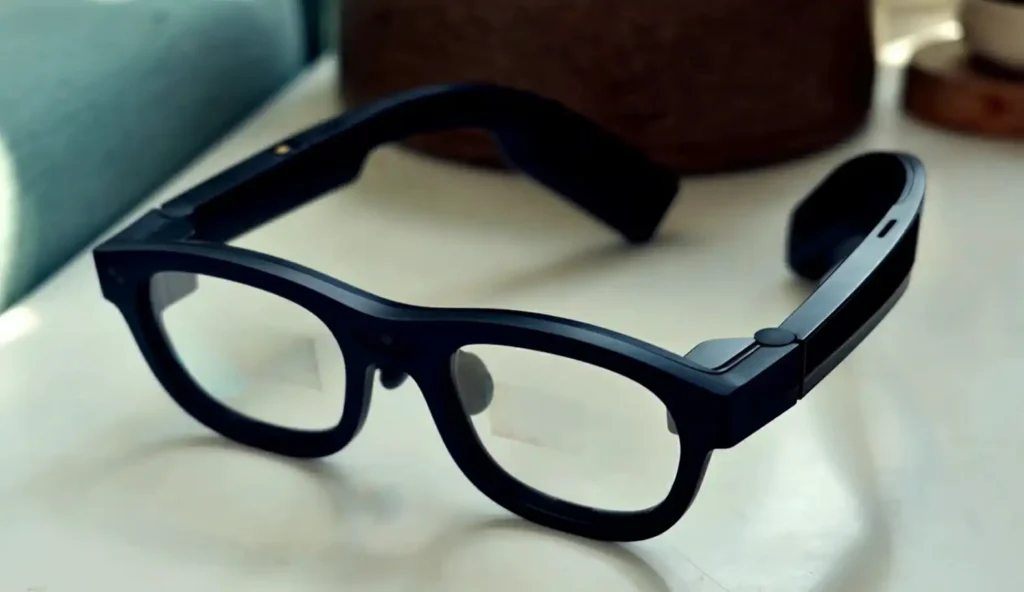
When I first picked them up, I noted that they look like regular glasses, though slightly bulkier. TCL included a small detail that enhances practicality: a magnetic sunglasses shade that easily snaps onto the front to protect my eyes when I am outside.
Unlike bulky virtual reality (VR) headsets, the RayNeo X2 is styled like a normal pair of glasses, striking a balance between technology and everyday wearability.
Ergonomic Build and Heat Management in TCL’s AR Glasses
The core power comes from the Qualcomm Snapdragon XR2 platform. This powerful chipset means the glasses are independent, they can process tasks on their own without constant reliance on a smartphone.
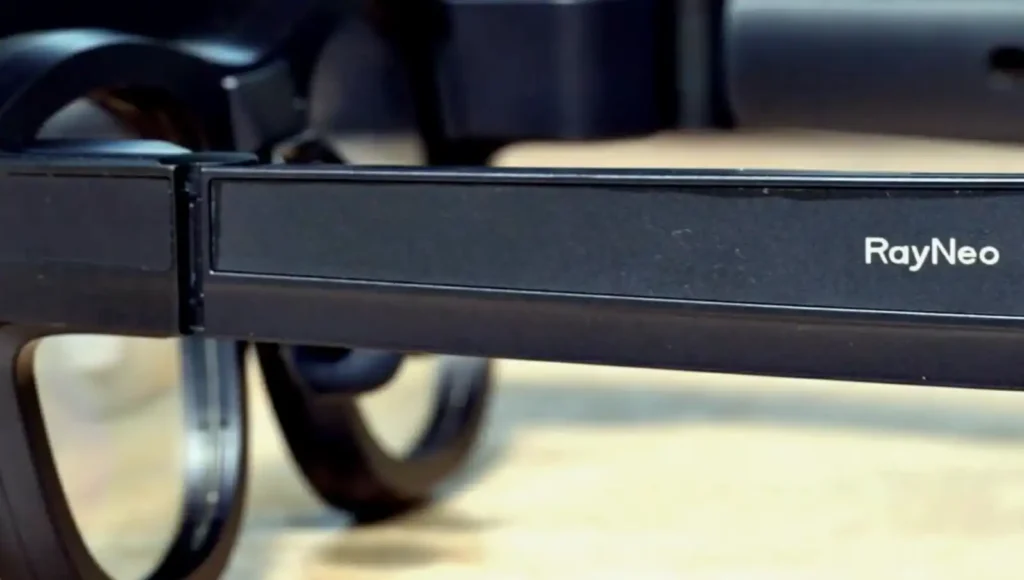
A smart design choice that helps with comfort during longer use is the placement of the battery and processor at the back of the temples. This design reduces heat on my face, as other glasses often have the processors located in the front, which can feel hot after a while.
Multi-Modal Controls for Seamless AR Interaction
Interaction with the glasses is multi-modal. On the sides, there are touch panels: the right panel lets me move through the menus, while the left one controls the volume and playback.
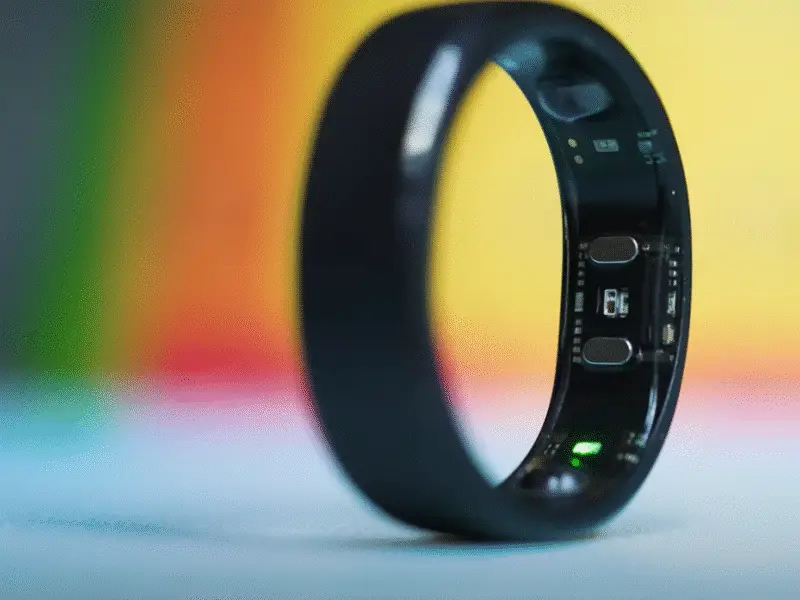
Beyond the touchpads, interaction can be managed through voice commands, intuitive gesture controls, or even a small ring that acts as a separate controller.
The MicroLED Advantage in RayNeo X2 AR Smart Glasses
Vivid MicroLED Color and Crystal-Clear AR Visuals
The display technology is where TCL aims to shine. As the world’s first binocular full-color microLED optical waveguide AR glasses, they combine MicroLED with optical waveguides to produce images that are vivid, sharp, and energy efficient.
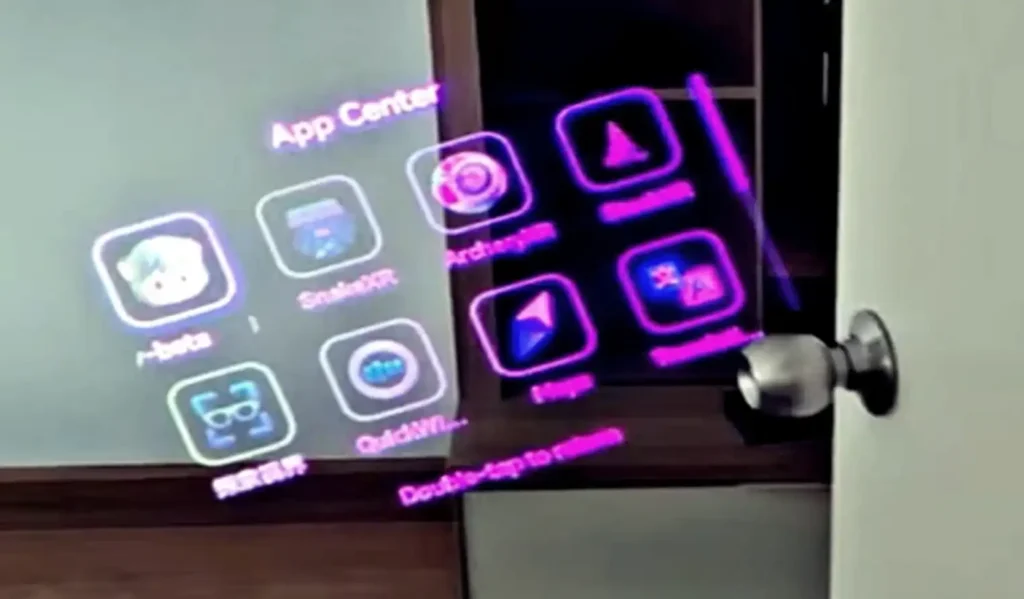
Instead of seeing a clumsy projection awkwardly floating, the digital overlays appear naturally in my line of sight and blend into my surroundings.
Outdoor Visibility and Brightness Optimization for AR Use
One critical performance measure I looked for was outdoor usability, which usually defeats most AR devices. The RayNeo X2 features a high contrast ratio of up to 1,000 to 1, meaning blacks appear truly black and colors pop.
Most importantly, the brightness reaches up to 1,000 nits. This brightness level seems to solve the issue of visibility in direct sunlight, making the X2 realistically usable in everyday indoor and outdoor environments.
Real-Time AI Integration in TCL RayNeo X2
AI-Powered Real-Time Translation in AR Glasses
The translation feature is highly impressive. The glasses can listen to people around me and display the translated text right in my field of view. I tested this functionality with a few recorded phrases in Japanese, and the glasses picked them up and showed the translation.
This system combines real-time translation with AI to provide suggested replies that fit the context of the conversation, making dialogue smoother and more natural for travel or international collaboration.
AR Navigation and SLAM System for Immersive Guidance
The navigation app is powered by HERE navigation and uses a SLAM (Simultaneous Localization and Mapping) system. When I start navigating, the directions, arrows or markers, appear in the corner of my vision like a heads-up display.
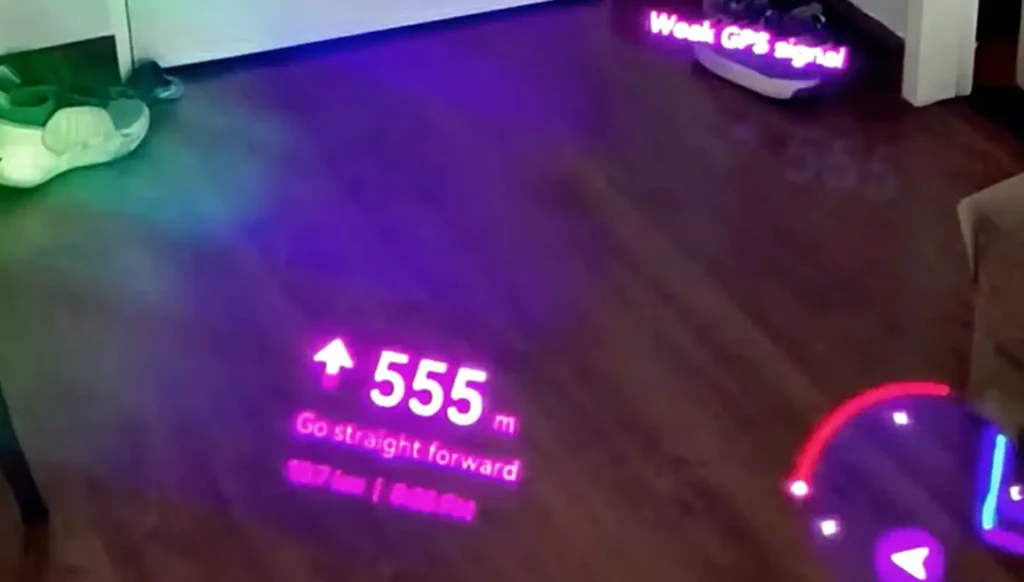
This way, the directions don’t block my sight but still clearly guide me. The system is designed only for walking or biking, it is not for driving. I did note a constraint during early testing: the voice search for destinations only worked with Wi-Fi, meaning I sometimes needed to use a mobile hotspot or start navigation while at home.
AI Assistant and Avatar Interaction in RayNeo X2
The integrated AI assistant uses ChatGPT in the background, providing smart and helpful answers. I can interact with it via voice, asking questions or setting reminders.
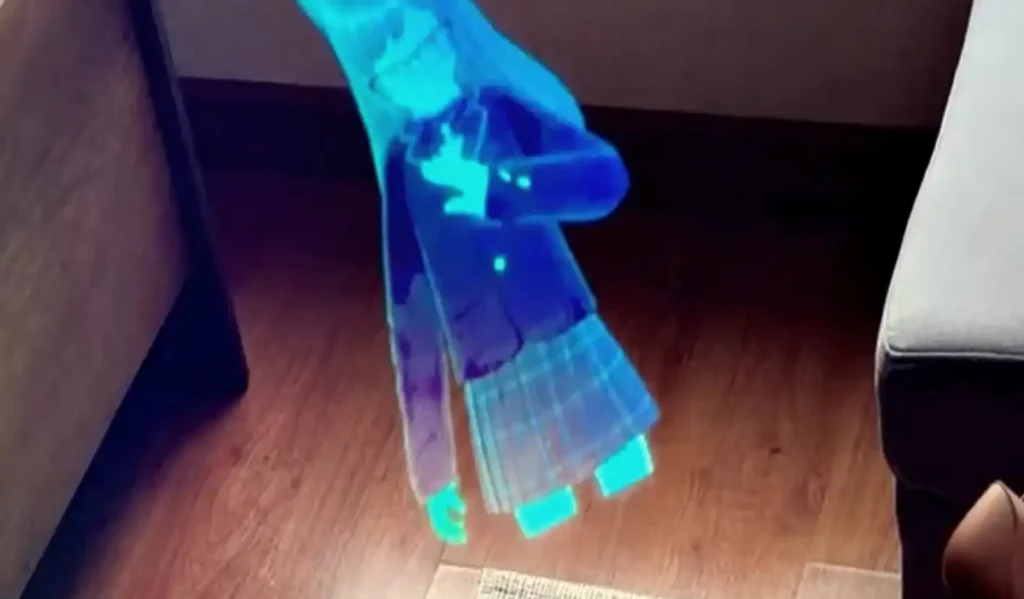
I also appreciated the ability to choose a digital avatar (one looks like an anime character, the other is more realistic) to represent the assistant.
Everyday Utility of TCL’s AR Smart Glasses
First-Person Photo and Video Capture in AR Mode
There is a small camera located in the center of the glasses. This front-facing camera lets me capture photos and videos from my true point of view, exactly as I see them, without having to pull out or hold a phone.
I found the quality of the photos and videos surprisingly good. The camera also includes built-in stabilization and night mode for better results in low light. Media management is done through the RayNeo app, where I can download captured moments to my phone.
Directional Audio and Crystal-Clear Communication
The RayNeo X2 includes directional speakers located below the temples. These act like open headphones, allowing me to listen to music or sounds without blocking my ears. The built-in microphones also support Crystal Clear Call Quality.
Smartphone Extension
The glasses function as a natural extension of my smartphone. I can receive calls, messages, and notifications directly into my field of view, helping me stay focused without constantly checking my phone.
A quick tap on the side brings up a small panel displaying helpful information like the time, date, weather, and connection status.
AR Learning and Gaming Features with RayNeo X2
For entertainment, the glasses come with a few built-in AR games. I played Snake XR, which uses touch panel swipes for movement, and Archery. Although they are simple, they show how immersive AR can be.
I also tried the musical learning feature, which comes with a special mat that the glasses recognize as a digital steel drum. The display shows me where to tap to play simple songs, I tried “Ode to Joy” and enjoyed it. I found this capability very interesting as a new way to learn.
Challenges and Considerations for AR Smart Glass Adoption
Although the RayNeo X2 is a major step forward, I must share you about the current limitations of this early technology.
Technical Limitations
The field of view is currently narrow. The controls, despite being multi-modal, can take some getting used to. Also, longer use sessions may lead to eye fatigue.
Social and Adoption Hurdles
While I believe they look more like normal glasses than many competing devices, wearing them out in public might still feel awkward to some.
Furthermore, cameras on glasses inevitably raise privacy concerns regarding being recorded without consent. TCL will need to address this with features like visible recording indicators to prevent backlash.
Ecosystem and Endurance
For AR glasses to truly succeed, they need a strong ecosystem of apps and experiences built around them, and developer support will be crucial.
Regarding battery life, the glasses are designed to last through typical sessions of navigation, translation, or light media use without constant recharging.
If I use them for basic tasks, they can last through a normal workday. Fast charging is also included.
Is TCL RayNeo X2 the Future of Augmented Reality Wearables?
The TCL RayNeo X2 smart glasses are more than just a glimpse into the future; they represent a significant leap forward in wearable technology.
They function as a true computing device, not just a display. The superb quality of the MicroLED display and the highly practical features, especially the real-time, AI-contextualized translation are major strengths.
Although challenges remain regarding the field of view and social adoption, the RayNeo X2 successfully bridges the gap between science fiction concepts and daily technology. It’s a versatile, intelligent, and capable product that shows the near future of AR is genuinely wearable.
Final Reviews on TCL RayNeo X2 AR Smart Glasses
Key Pros and Strengths of RayNeo X2
- High-resolution, bright MicroLED display (up to 1,000 nits, 1,000:1 contrast) usable in direct sunlight.
- Standalone processing power (Snapdragon XR2).
- Real-time dialogue translation with AI-suggested replies.
- Comfortable design with rear-located processor to reduce heat.
- Augmented Navigation using SLAM and HERE.
Cons and Technical Limitations of RayNeo X2
- Narrow field of view.
- Controls can require a learning curve.
- Potential eye fatigue during extended use.
- Voice search for navigation was Wi-Fi dependent in early testing.
- Potential social awkwardness & privacy concerns due to size and camera.
Ideal Users for TCL RayNeo X2 AR Glasses
- Tech enthusiasts and early adopters.
- Travelers seeking real-time translation and navigation assistance.
- Professionals needing hands-free access to notifications and data overlays.